
WHEN PRISTINE NATURE BECOMES THE FOUNDATION OF SUSTAINABLE LUXURY IN NORTHERN PHU QUOC
16/06/2026
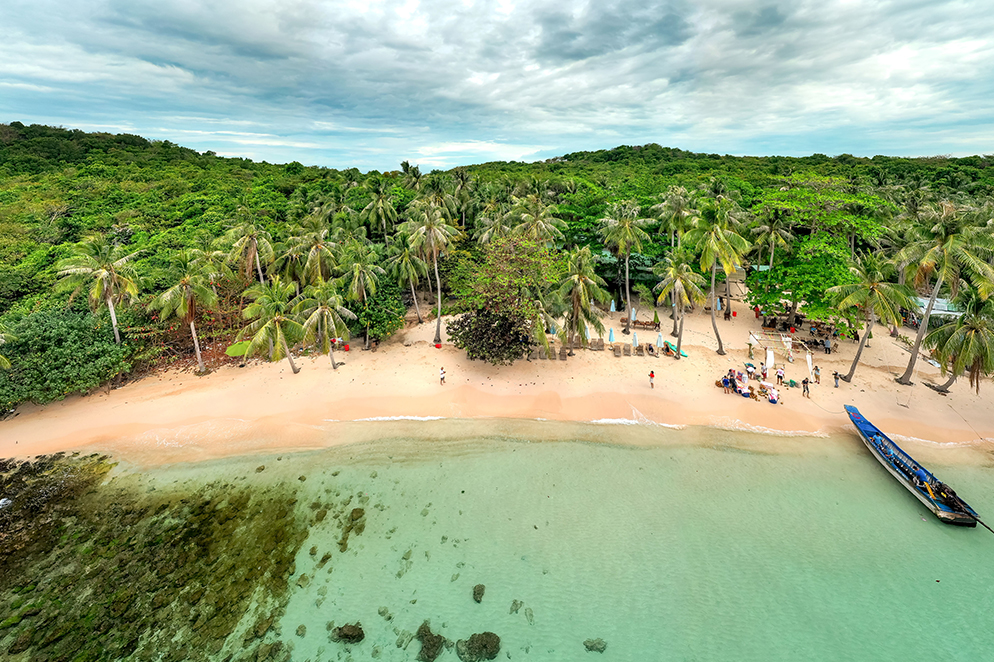
Nestled between the tranquil waters of Bai Thom Bay and the rich ecosystem of Rach Tram Forest, Meliá Forest Bay Phu Quoc introduces a different vision of luxury hospitality—one that grows from the intrinsic value of nature rather than replacing it with large-scale, standardized developments.
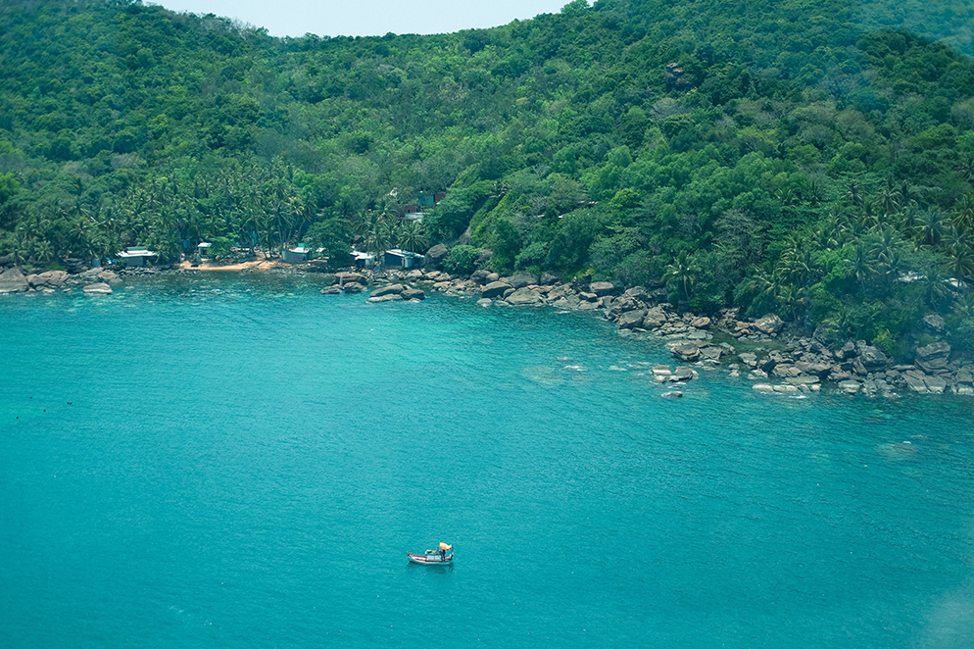
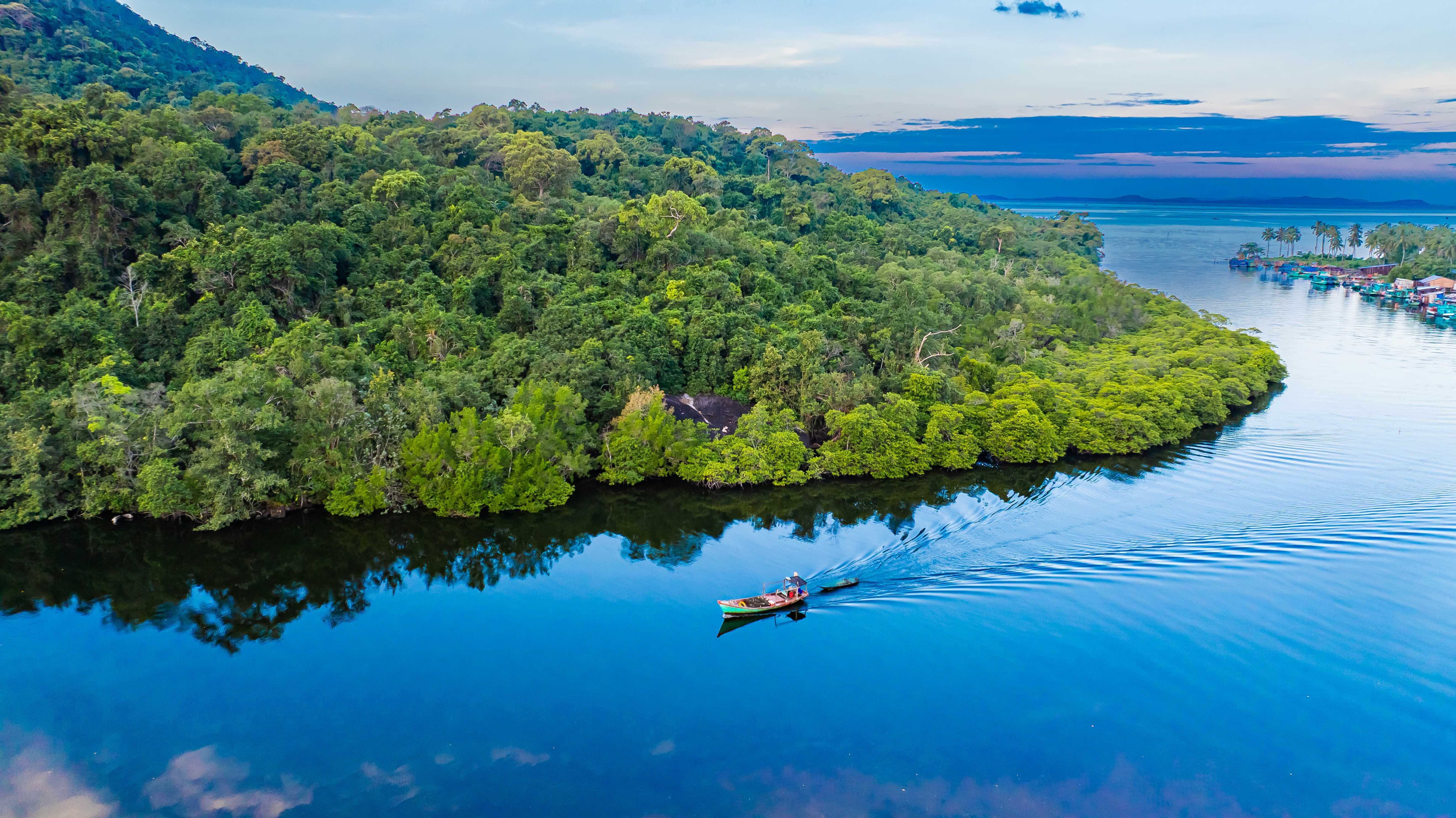
In the early mornings at Rach Tram, on the northern shores of Phu Quoc Island, the sea often awakens beneath the softest shades of blue. Unlike bustling tourist enclaves, this stretch of coastline has preserved a rare sense of stillness: gentle waves rhythmically meeting the shore, trees swaying quietly in the ocean breeze, the lush green forest unfolding behind, and an open bay extending endlessly toward the horizon.
In places like this, what captivates travelers goes beyond the promise of a seaside escape. It is the opportunity to slow down and immerse oneself in a destination that still breathes in harmony with nature—where the sea, forests, rivers, mountains, and local way of life come together to shape an identity that is both authentic and deeply distinctive.
As sustainable tourism increasingly defines the future of global travel, pristine landscapes such as Northern Phu Quoc are being recognized as invaluable assets within the tourism economy. When preserved with care and developed responsibly, nature becomes more than a backdrop for hospitality. It becomes the foundation for creating enduring value—for the destination itself, for local communities, and for the long-term success of thoughtfully conceived resort developments.
From natural landscapes to enduring value
Phu Quoc has long been celebrated as Vietnam’s largest island, distinguished by a remarkably diverse ecosystem where pristine beaches, ancient forests, winding streams, traditional fishing villages, and unspoiled coastal landscapes coexist in harmony. In particular, the island’s northern region is home to some of its most significant natural assets, closely connected to Phu Quoc National Park and the UNESCO-recognized Kien Giang Biosphere Reserve.
Unlike many coastal destinations shaped by intensive development, Northern Phu Quoc still offers expansive spaces where travelers can experience the gentle transition between different ecological layers—from sandy shores and tranquil bays to coastal woodlands and pathways that lead deeper into the island’s verdant interior.
It is precisely this harmony of landscapes that creates a rare advantage for resort tourism. In a world where many beautiful beach destinations are becoming increasingly alike through uniform models of development, places that preserve their natural identity possess a far greater ability to cultivate meaningful distinction and lasting appeal.
Today's travelers seek more than elegantly appointed accommodations or premium amenities. They are increasingly drawn to experiences with depth and authenticity: opportunities to reconnect with nature, gain a deeper understanding of the places they visit, embrace a slower pace of life, travel more responsibly, and leave a lighter footprint on the environments that welcome them.
This is why sustainable tourism is no longer viewed as a niche aspiration or an exclusive luxury.
Rach Tram – Where pristine beauty creates a distinctive appeal
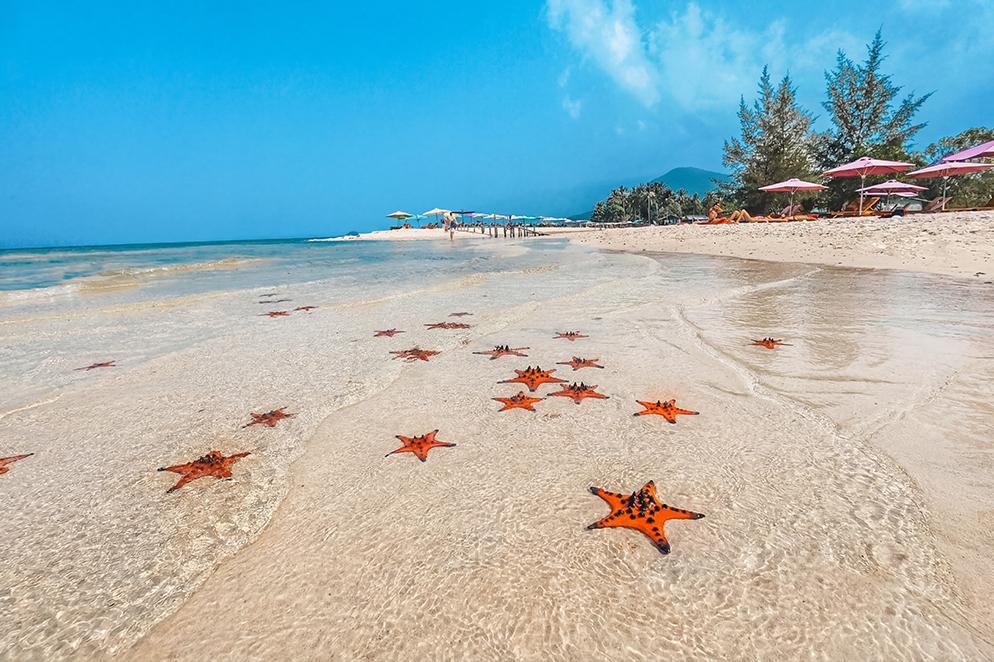
Nestled within the Bai Thom area, Rach Tram remains one of Northern Phu Quoc's few coastal enclaves that has preserved the island's unassuming charm and authentic spirit. The essence of this place is not defined by the bustle of tourist districts, but by nature's quiet poetry: expansive seas stretching toward the horizon, ribbons of lush greenery, humble fishing villages, weathered piers, anchored boats, and the gentle rhythm of local life.
For those who embrace the philosophy of sustainable tourism, the true value of a destination like Rach Tram lies not in how many more structures can be built, but in how much of its original character can be safeguarded throughout the course of development.
A resort project that merely capitalizes on its surrounding scenery for commercial advantage may generate only short-term appeal. Yet when nature is placed at the heart of its development philosophy, every guest experience becomes part of a greater journey—one that contributes to preserving the identity and soul of the destination itself.
This is the approach increasingly embraced by sustainable tourism models around the world: development that exists in harmony with conservation; growth that does not come at the expense of the landscape; and modern comforts that enhance the guest experience without diminishing the authenticity of place.
Meliá Forest Bay Phu Quoc: A Retreat Inspired by Forest, Sea, River, and Mountain
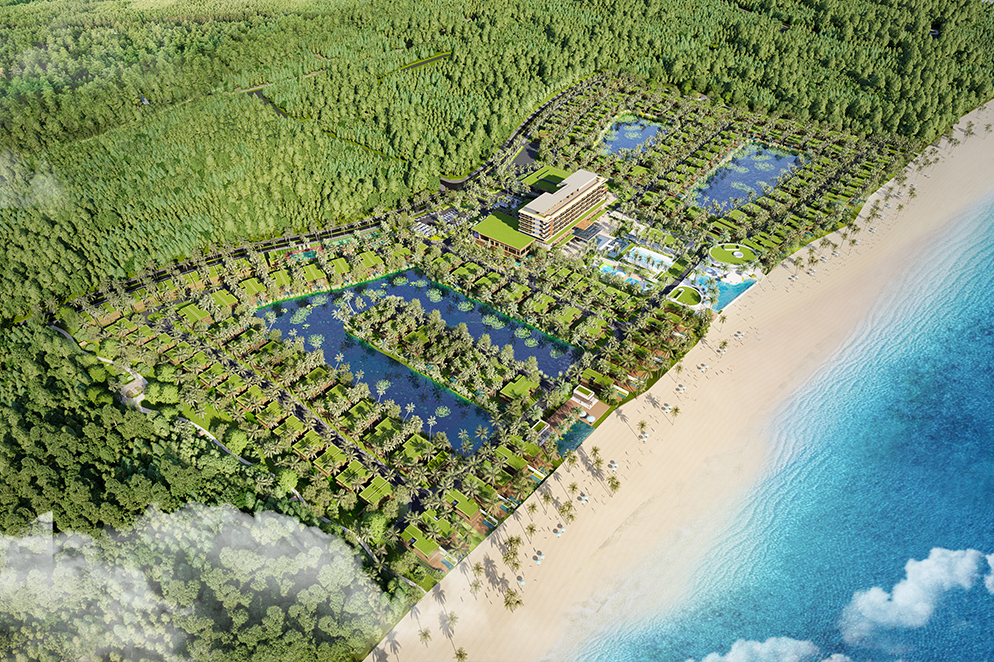
Nestled in Rach Tram, Bai Thom, Meliá Forest Bay Phu Quoc is being developed across 21 hectares within a master-planned destination spanning 173 hectares. Embraced by a rare ecosystem where forests, seas, rivers, and mountains converge, the project enjoys an exceptional setting for a nature-led luxury retreat unlike any other.
What distinguishes Meliá Forest Bay Phu Quoc is not merely its privileged location overlooking the bay, but the way it has been envisioned within a richly layered landscape. The sea lends a sense of openness and freedom. The forest introduces ecological depth and tranquility. Rivers and waterways gently shape the rhythm of experience, while the northern island's natural terrain and mountainous backdrop create a feeling of shelter, privacy, and retreat.
In the language of hospitality, these are the very elements that define a destination capable of restoring the human spirit. Guests do not simply stay in a beautiful setting; they are invited to live within the natural choreography of light, breeze, water, greenery, and the authentic rhythm of local life.
The presence of Meliá Hotels International as the operating partner further elevates the project through internationally recognized standards of service, guest experience, and resort management. When a global hospitality brand enters a destination that still retains much of its original character, the story extends far beyond enhancing accommodation. It becomes an opportunity to redefine luxury through a more harmonious relationship with the place itself.
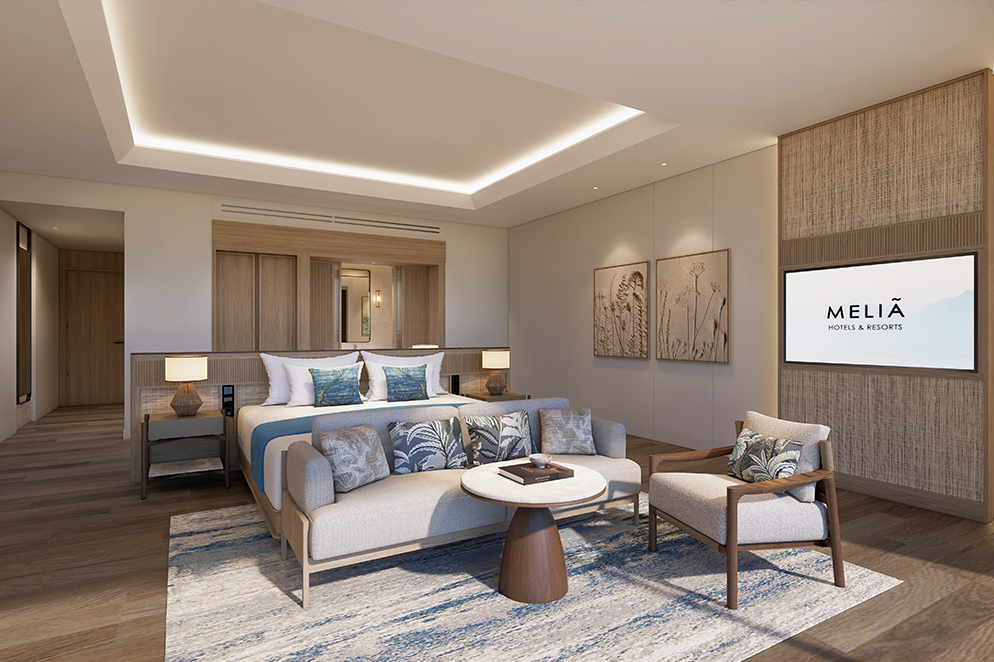
Sustainable Tourism Begins with Respect for Place
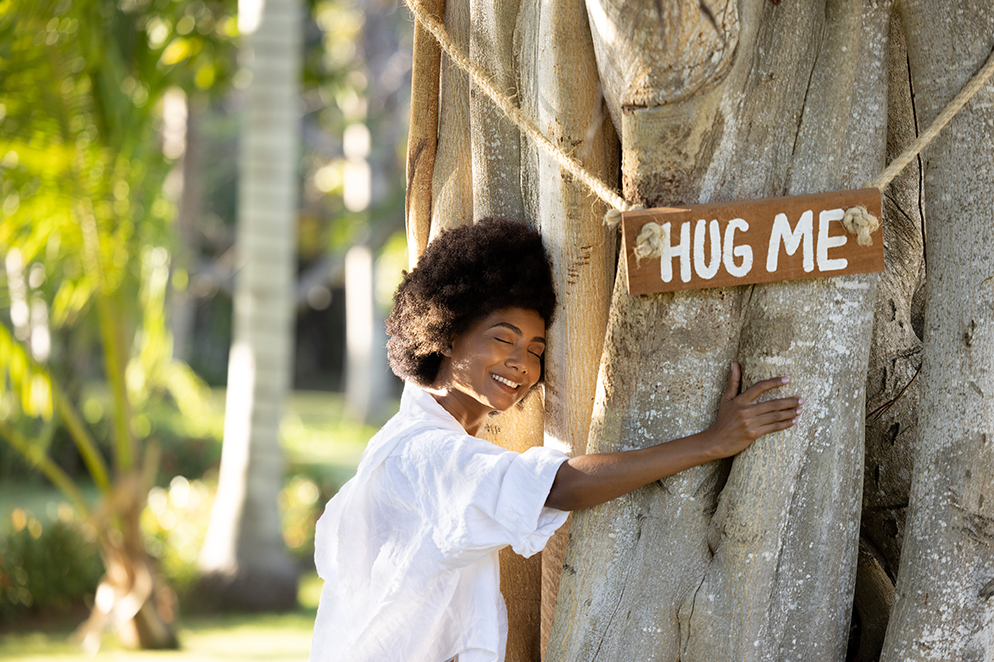
International frameworks on ecotourism and sustainable travel consistently emphasize several core principles: nature-based experiences, educational value, environmental conservation, and meaningful benefits for local communities.
In other words, sustainability cannot be claimed through green aesthetics alone or reinforced merely through carefully crafted messaging. It must be reflected in how a project engages with its surroundings—its approach to topography, construction density, native landscapes, water stewardship, waste management, energy use, local culture, and the quality of the visitor experience.
For this reason, sustainable resort development is not solely the responsibility of an individual project. It is part of a broader commitment to ensuring that Phu Quoc preserves the natural advantages that distinguish it on the regional tourism map.
When Luxury Hospitality Embraces Conservation
For many years, luxury travel was synonymous with opulence, exclusivity, and material refinement. Today, however, this definition is evolving. True luxury is no longer measured only by lavish finishes, grand scale, or personalized service; it is increasingly defined by the ability to offer experiences that feel meaningful and enriching.
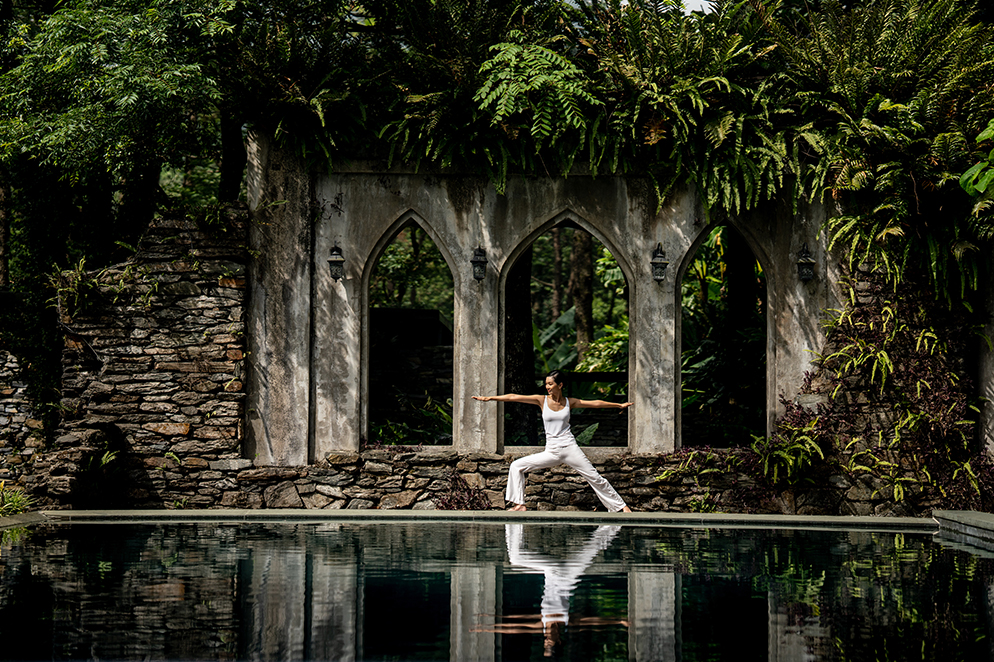
It may be waking to the soothing sounds of forest and sea. An afternoon stroll along the bay, watching changing light dance across the water's surface. A meal inspired by local ingredients and culinary traditions. An encounter with the culture of fishing villages. Or simply the privilege of being immersed in nature without diminishing its integrity.
At Meliá Forest Bay Phu Quoc, luxury finds its expression through harmony with the landscapes of Northern Phu Quoc. The project aspires to offer more than an elegant place to stay; it seeks to shape how travelers experience the island itself—not merely as a destination blessed with beautiful beaches, but as a place enriched by forests, rivers, cultural identity, and ecological depth.
This philosophy closely aligns with the trajectory of global tourism, as travelers increasingly gravitate toward destinations that demonstrate responsibility—where personal experiences are intertwined with environmental awareness and respect for local heritage.
Northern Phu Quoc and the Opportunity to Define a Distinct Identity
Phu Quoc is entering a new chapter of growth, accompanied by rising expectations surrounding infrastructure, hospitality services, and its capacity to welcome international visitors. Yet the defining question extends beyond how many travelers the island will attract. More importantly, how will Phu Quoc be remembered?
If the island's vibrant urbanized areas embody energy and modernity, Northern Phu Quoc has the potential to become its balancing counterpart—a sanctuary where tourism is guided by nature, privacy, authentic local encounters, and the principles of sustainable retreat.
Looking ahead, projects that respect ecological systems and responsibly unlock the value of place will play a pivotal role in shaping Phu Quoc's distinctive identity. As international travelers are presented with an ever-growing array of choices, what inspires them to return is rarely a beautiful beach alone. It is a story that feels different, authentic, and enduring.
Viewed through this lens, Meliá Forest Bay Phu Quoc is far more than a resort development in the island's north. It forms part of a broader journey to position Phu Quoc as a destination where nature serves as the foundation of progress; where luxury hospitality coexists with the responsibility of conservation; and where the original values of forest, sea, river, and mountain are safeguarded for the future of the Pearl Island's tourism industry.
When nature ceases to be merely a landscape to admire and becomes the soul of the experience itself, sustainable tourism gains its true potential to create lasting value. And Northern Phu Quoc—with the enduring, unspoiled beauty of Rach Tram—holds a precious foundation upon which this story can continue to unfold.
Related News

04/07/2026
Tin tức
PHU QUOC CONTINUES TO STRENGTHEN ITS POSITION AS A PREMIER DESTINATION ON THE GLOBAL TOURISM MAP
In the first half of 2026, Phu Quoc continued its impressive growth trajectory, reaffirming the endu...
25/05/2026
Tin tức
NORTH PHU QUOC ISLAND - ENTERING A NEW GROWTH CYCLE OF SOPHISTICATED RESORT ASSETS
After an extended period of market correction, the resort real estate sector is entering a new cycle...
12/05/2026
Tin tức
PHU QUOC NAMED SOUTHEAST ASIA’S NEW “HIDDEN GEM” BY BRITISH PRESS
Unlike the bustling tourism hubs of Phuket or Bali, Phu Quoc is drawing increasing attention from in...
12/05/2026
Tin tức
THAI PRESS: PHÚ QUỐC HAS EMERGED FAR BEYOND A QUIET ISLAND RETREAT
Once a quiet fishing island in southern Vietnam, Phú Quốc is rapidly emerging as one of the region’s...
24/04/2026
Tin tức
APEC 2027: A NEW INVESTMENT MAP FOR PHU QUOC REAL ESTATE
Phu Quoc’s selection as the host of APEC 2027 is more than a diplomatic milestone—it signals the beg...
23/04/2026
Tin tức
PHU QUOC NAMED AMONG ASIA'S MOST BEAUTIFUL ISLANDS FOR THREE CONSECUTIVE YEARS BY A LEADING LUXURY TRAVEL MAGAZINE
(TITC) – On March 6, 2026, the prestigious travel magazine DestinAsian officially unveiled its list...

