
NORTH PHU QUOC ISLAND - ENTERING A NEW GROWTH CYCLE OF SOPHISTICATED RESORT ASSETS
25/05/2026
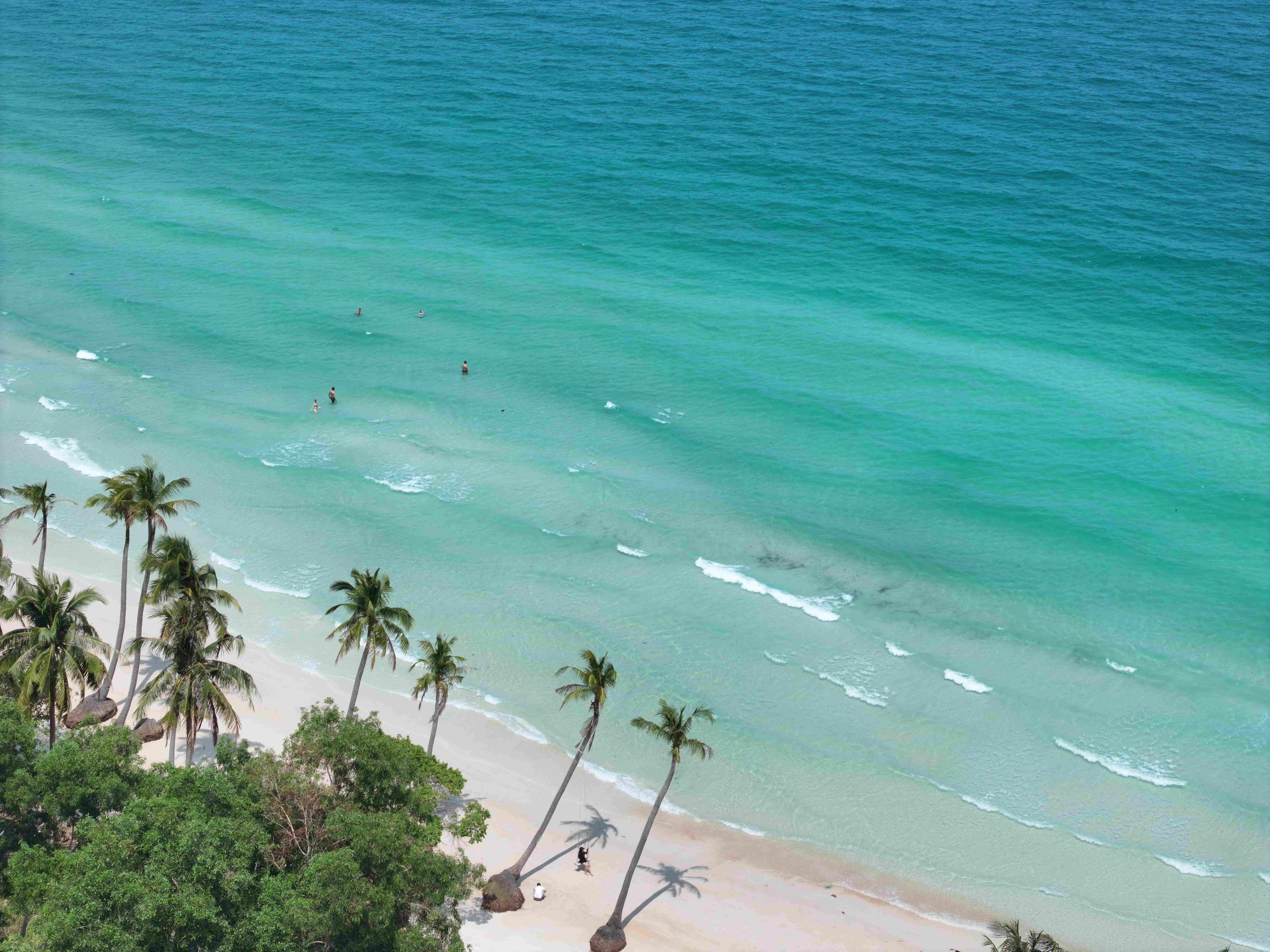
After an extended period of market correction, the resort real estate sector is entering a new cycle defined by far more discerning investment behavior. Investors today are no longer looking solely for an asset to hold — they are placing greater emphasis on real operational potential, professional management standards, and the long-term experiential value a property can deliver.
Vietnam’s resort property market is showing increasingly clear signs of recovery following a period shaped by tighter credit policies, supply-side restructuring, and a more cautious investor mindset. Yet unlike previous cycles — when capital inflows were largely driven by short-term price expectations — the current wave of interest is shifting toward assets backed by genuine utility, sustainable operating capabilities, and the ability to meet the growing lifestyle expectations of financially sophisticated buyers.
One of the market’s key growth drivers comes from the strong rebound of the tourism sector. In the first quarter of 2026 alone, Vietnam welcomed more than 6.76 million international visitors, marking a 12.4% increase compared to the same period in 2025 — the highest first-quarter figure ever recorded. This reflects a robust return of travel demand, leisure spending, and experience-driven consumption, creating broader opportunities for hospitality-linked assets associated with accommodation, lifestyle services, and professionally operated resort ecosystems.

Alongside the recovery of the tourism industry comes a noticeable shift in the consumption behavior of the growing middle class and high-net-worth individuals. As the demand for wellness, energy restoration, private retreats, and more meaningful lifestyle experiences becomes increasingly pronounced, resort real estate is no longer viewed simply as a “buy-and-wait-for-appreciation” product. Instead, it is now being regarded as part of a long-term wealth preservation strategy — where value is defined by the convergence of location, development quality, operational capability, and hospitality standards.
From Capital Appreciation Expectations to Real Operational Value
Between 2016 and 2021, resort real estate attracted substantial investment flows, fueled by the rapid growth of tourism, strong price appreciation, and optimistic expectations surrounding Vietnam’s coastal destinations. However, following the market’s correction phase, the criteria for selecting resort assets have shifted significantly. Today’s investors are no longer asking only, “How much can this property appreciate?” They are increasingly focused on deeper considerations: How will the asset be operated? Can it generate sustainable cash flow? Does it possess long-term operational viability? And most importantly, can it preserve and strengthen its value over time?
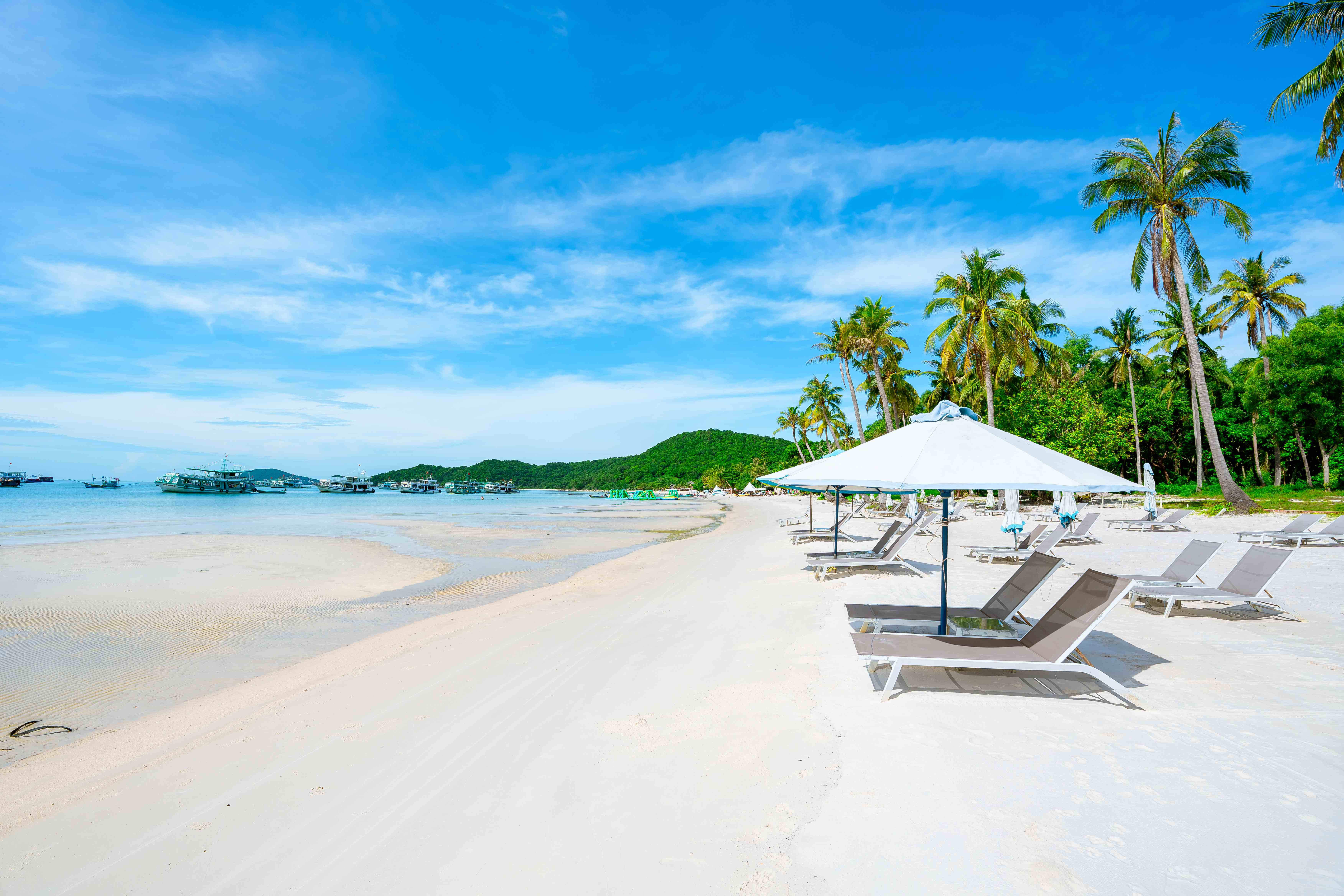
This shift reflects a more mature phase of the market itself. As resort real estate enters a new development cycle, projects distinguished by master-planned development, integrated service ecosystems, and professionally managed operations are gaining a far clearer advantage over products driven solely by location or speculative price expectations. As a result, the value of a resort asset is no longer defined merely by ownership, but by its ability to create meaningful experiences, maintain consistent service quality, and sustain long-term operational performance over time.
Against this backdrop, internationally managed branded residences and hospitality-linked real estate models are increasingly becoming the benchmark across premium resort destinations. What sets these developments apart is that they are not only designed with sophisticated architecture and amenities, but are also embedded within globally standardized systems of operation, hospitality, and guest experience. This integrated approach enhances usability, strengthens customer confidence, and supports long-term commercial sustainability.
Phu Quoc and the Advantage of a Destination Entering a More Mature Growth Phase
Within Vietnam’s recovering resort property landscape, Phu Quoc continues to stand out as one of the market’s most compelling destinations, supported by an increasingly established tourism foundation, improving infrastructure connectivity, and growing appeal among both domestic and international travelers.
According to tourism data for the first quarter of 2026, Phu Quoc welcomed more than 2.97 million visitors, marking a remarkable 43.7% increase year-on-year. International arrivals alone surpassed 817,000 visitors, up 72.3% compared to the same period last year. Total tourism revenue on the island reached approximately VND 18.171 trillion during Q1/2026 — a 70.5% increase year-on-year. These figures suggest that Phu Quoc is not only recovering in visitor volume, but is also witnessing substantial growth in tourism spending and long-stay demand, reinforcing its position as one of Vietnam’s most dynamic and high-potential resort destinations.

THowever, while Central and Southern Phu Quoc have long been recognized for their large-scale tourism complexes, the island’s northern region is unveiling an entirely different layer of value — one defined by greater serenity, untouched landscapes, and exceptional potential for resort models centered around nature, privacy, and restorative living experiences. North Phu Quoc remains one of the few areas that still preserves its rich native landscape tapestry — where forests, rivers, mountains, coastlines, and the rhythms of local life coexist in rare harmony. This creates an exceptional foundation for a new generation of resort products designed not merely for accommodation, but for shaping a more meaningful lifestyle.
Within today’s evolving travel landscape, untouched nature is no longer viewed as a secondary advantage — it has become a form of modern luxury. Both travelers and investors are increasingly drawn to destinations capable of offering a genuine sense of escape from urban intensity, while still maintaining seamless connectivity, refined hospitality standards, and professional operational capabilities that ensure a consistently elevated experience. It is precisely this balance between pristine natural surroundings and international-standard operations that is opening a new growth trajectory for North Phu Quoc.
The Meliá Villas Forest Bay Phu Quoc: A Resort Asset Embedded Within an Untouched Natural Ecosystem
Located in Rach Tram, Bai Thom — one of the last remaining pristine enclaves in North Phu Quoc — The Meliá Villas Forest Bay Phu Quoc is positioned as a luxury villa development deeply connected to nature and curated international living experiences. According to official project information, The Meliá Villas Forest Bay Phu Quoc is situated in Rach Tram, Bai Thom, Phu Quoc Special Zone, An Giang Province, within a 21-hectare development that forms part of a larger 173-hectare master plan. The project is surrounded by a rare convergence of layered natural landscapes — forest, sea, river, and mountain — creating a setting that feels both secluded and profoundly immersive in nature.
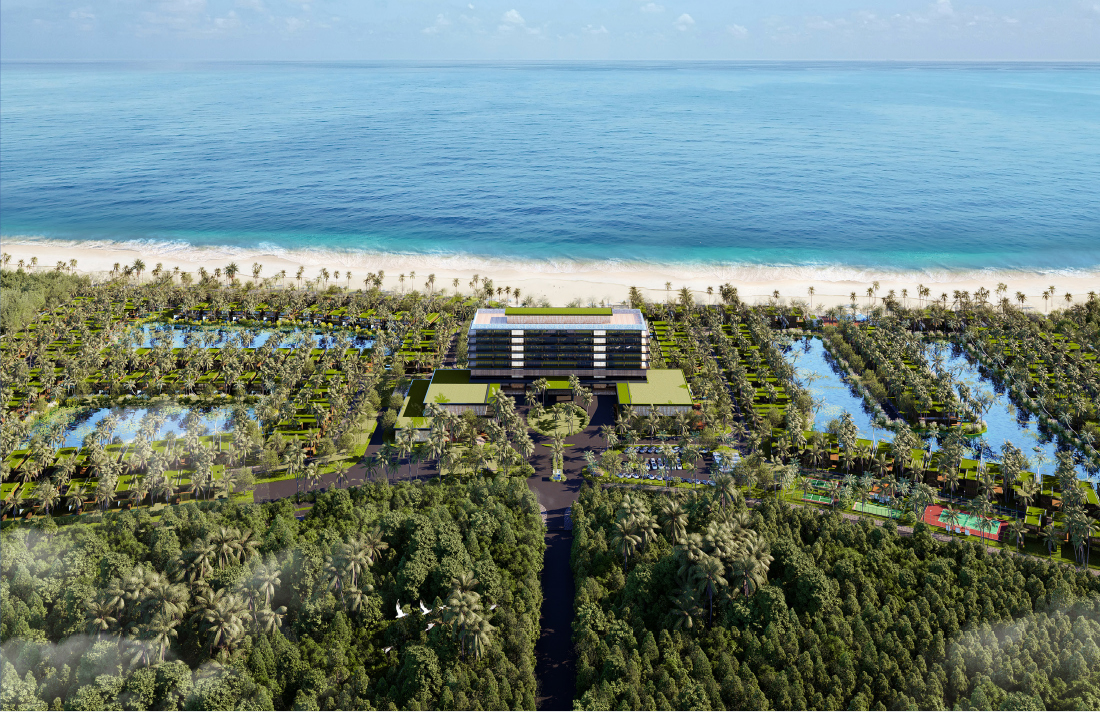
What makes the project particularly distinctive is not only its location amid the untouched landscapes of North Phu Quoc, but also its development vision anchored in internationally recognized resort operating standards. The villas within the development will be professionally managed under the prestigious Meliá Hotels & Resorts brand, while CityLand Group serves as both the project developer and owner — overseeing the investment, construction, operations, marketing, and commercial management of the villa collection. This integrated development and operational model helps ensure consistency in service quality, enhances long-term asset value, and establishes a hospitality ecosystem designed to meet the expectations of modern luxury travelers as well as discerning long-term investors.
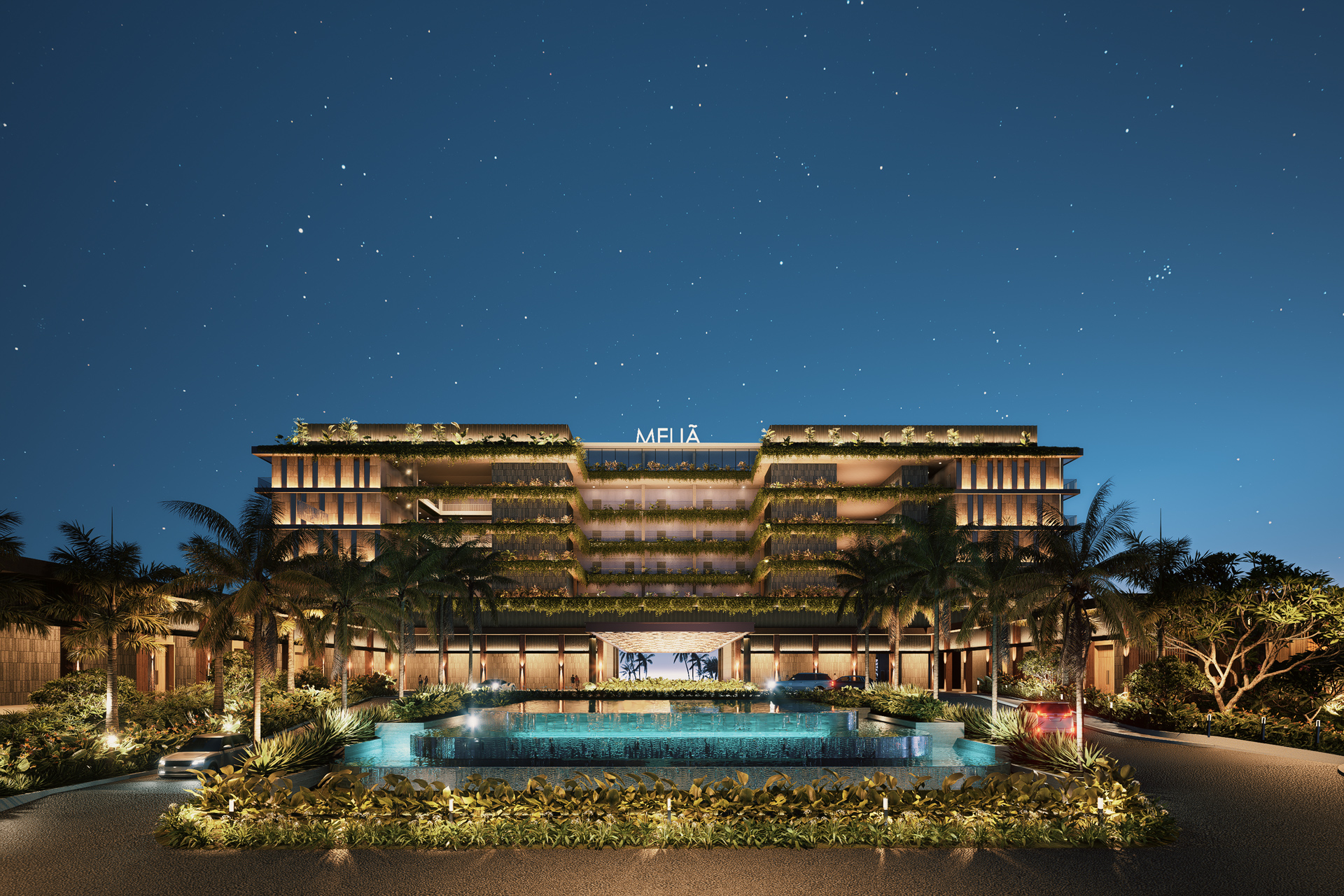
In a market increasingly favoring assets with genuine operational potential, the quality of management and hospitality operations has become one of the defining foundations of long-term value. A resort villa today is no longer judged solely by architectural beauty or scenic advantages. To sustain its appeal over time, it must also be supported by a professionally managed service ecosystem capable of delivering consistent, high-quality experiences for both homeowners and guests. This is precisely why developments associated with internationally recognized hospitality brands are gaining stronger attention among affluent buyers and sophisticated investors.

With The Meliá Villas Forest Bay Phu Quoc, the story of ownership extends far beyond possessing a villa on the Pearl Island. It is an invitation into a more private and refined resort lifestyle — where each experience is shaped by the harmony of forest, sea, river, and mountain, elevated by hospitality standards bearing an international signature. Over the long term, it is precisely this convergence of untouched nature, thoughtfully integrated master planning, and professional resort operations that may define the project’s distinctive and enduring value.
A New Cycle for Assets with Lasting Depth
Vietnam’s resort real estate market is moving beyond an era driven primarily by expectation-led growth and entering a phase where real value becomes the true foundation of appreciation. In this new cycle, investors may become more selective — but also more sophisticated in the way they evaluate opportunities. Projects distinguished by prime locations, transparent legal frameworks, comprehensive planning, genuine operational potential, and internationally respected management brands will stand out more clearly in the market.
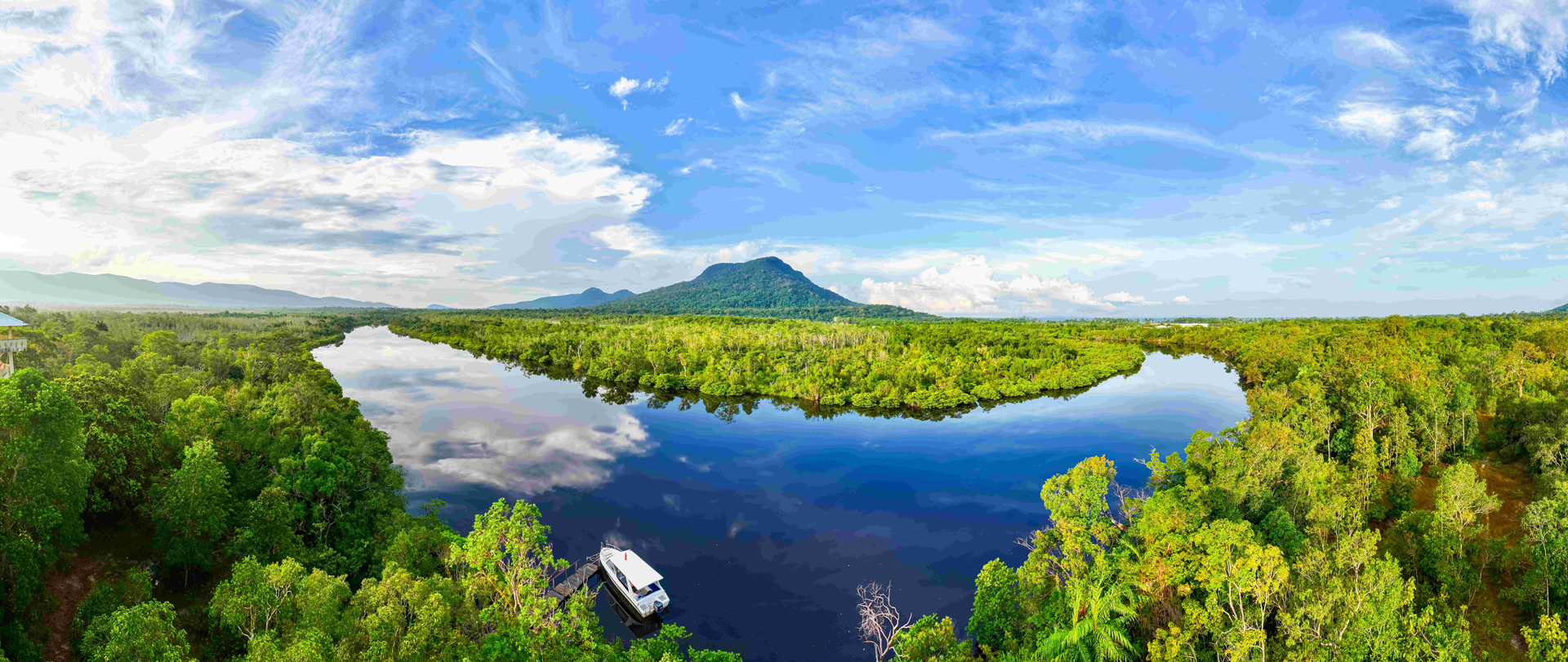
Phu Quoc — particularly its northern region — is standing at the threshold of a more mature and meaningful phase of development. Beyond its identity as a tourism destination, the island is increasingly emerging as a place for resort assets that embody long-term accumulation value, elevated living experiences, and a sense of legacy. Within this evolving landscape, The Meliá Villas Forest Bay Phu Quoc represents a new generation of resort real estate — one that transcends the notion of ownership alone. It is envisioned as an asset to be experienced, professionally operated, and preserved over time, where enduring value is created through the seamless integration of nature, lifestyle, and internationally benchmarked hospitality standards.
Related News

04/07/2026
Tin tức
PHU QUOC CONTINUES TO STRENGTHEN ITS POSITION AS A PREMIER DESTINATION ON THE GLOBAL TOURISM MAP
In the first half of 2026, Phu Quoc continued its impressive growth trajectory, reaffirming the endu...
16/06/2026
Tin tức
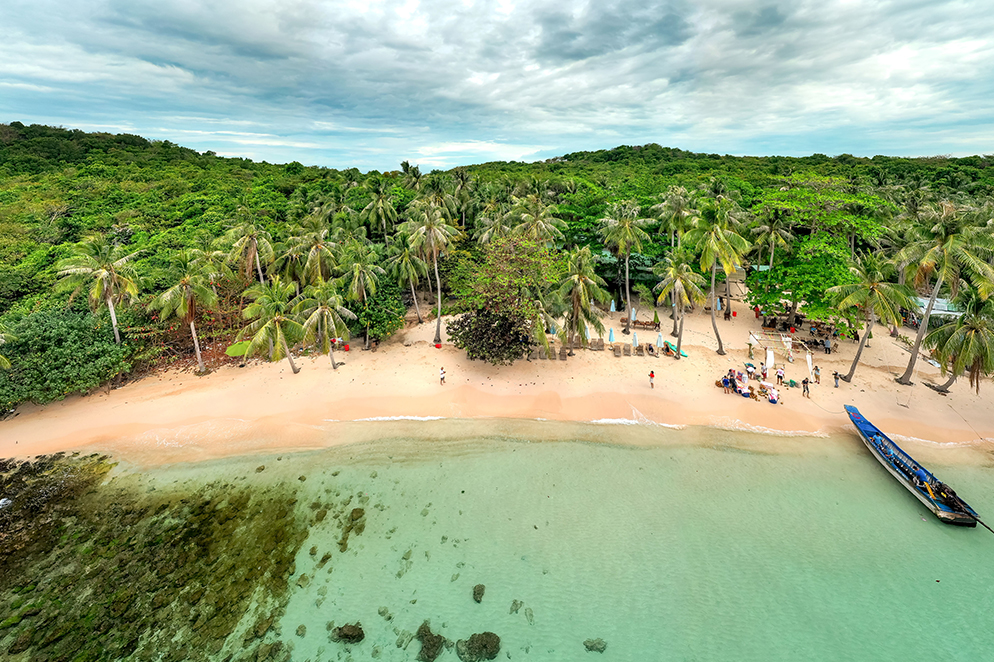
WHEN PRISTINE NATURE BECOMES THE FOUNDATION OF SUSTAINABLE LUXURY IN NORTHERN PHU QUOC
Nestled between the tranquil waters of Bai Thom Bay and the rich ecosystem of Rach Tram Forest, Meli...
12/05/2026
Tin tức
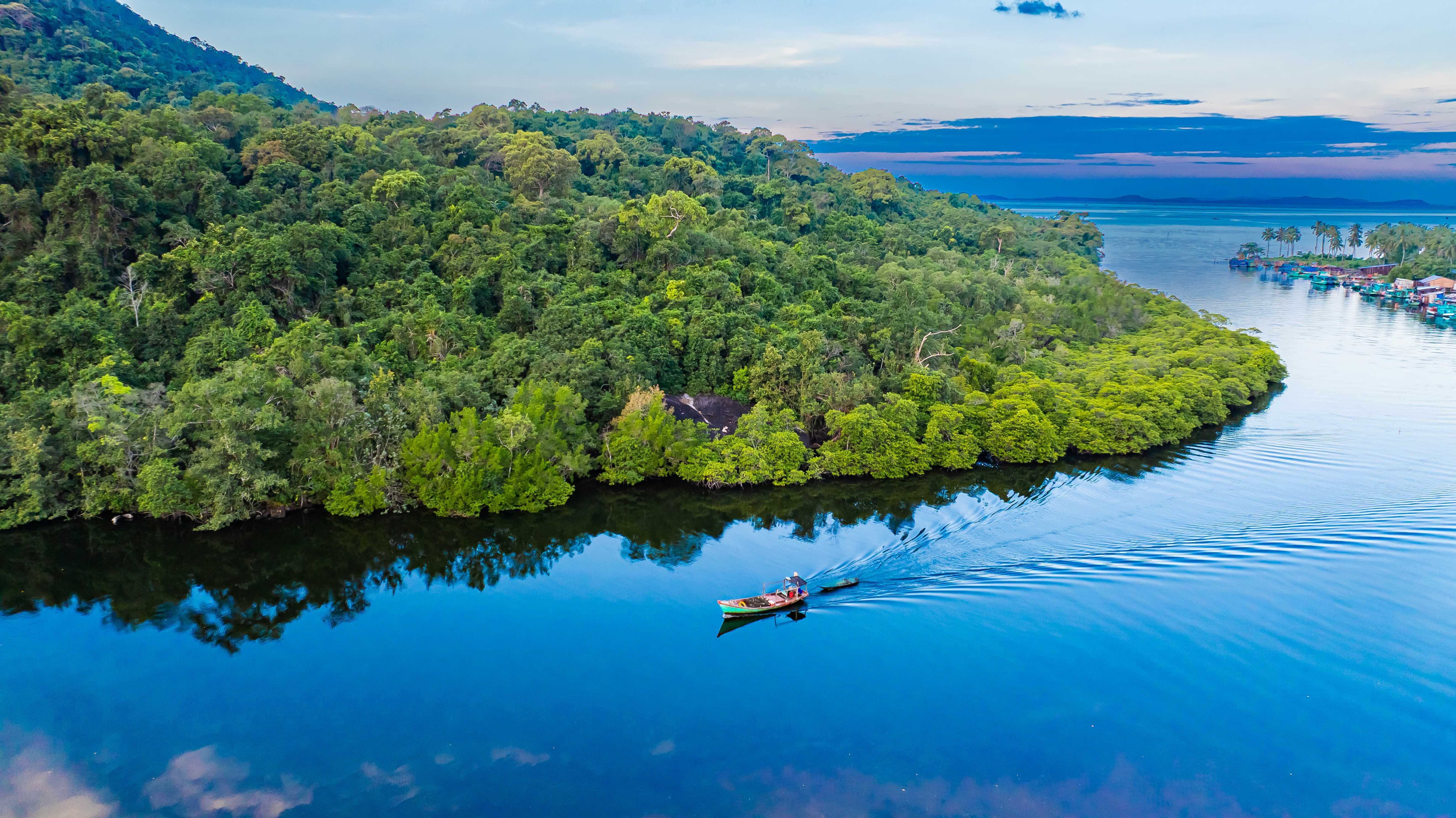
PHU QUOC NAMED SOUTHEAST ASIA’S NEW “HIDDEN GEM” BY BRITISH PRESS
Unlike the bustling tourism hubs of Phuket or Bali, Phu Quoc is drawing increasing attention from in...
12/05/2026
Tin tức
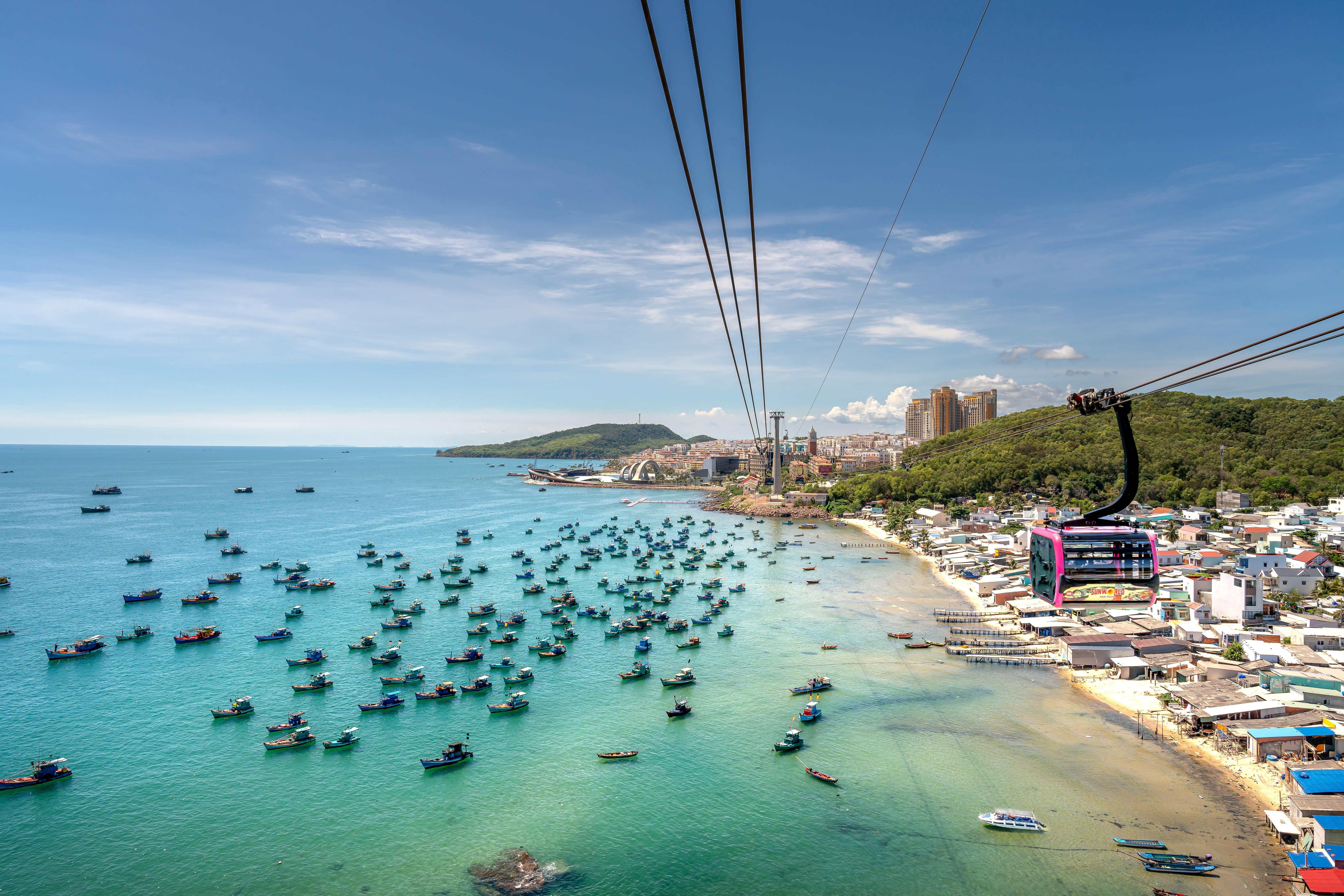
THAI PRESS: PHÚ QUỐC HAS EMERGED FAR BEYOND A QUIET ISLAND RETREAT
Once a quiet fishing island in southern Vietnam, Phú Quốc is rapidly emerging as one of the region’s...

24/04/2026
Tin tức
APEC 2027: A NEW INVESTMENT MAP FOR PHU QUOC REAL ESTATE
Phu Quoc’s selection as the host of APEC 2027 is more than a diplomatic milestone—it signals the beg...
23/04/2026
Tin tức
PHU QUOC NAMED AMONG ASIA'S MOST BEAUTIFUL ISLANDS FOR THREE CONSECUTIVE YEARS BY A LEADING LUXURY TRAVEL MAGAZINE
(TITC) – On March 6, 2026, the prestigious travel magazine DestinAsian officially unveiled its list...

